
Key takeaways for brokers & admins:
- ICHRA is creating a more consultative enrollment experience
- Employees expect more guidance as healthcare shopping becomes more personalized
- Disconnected workflows and communications create confusion fast
- Brokers, administrators, and enrollment platforms are becoming central to the ICHRA experience
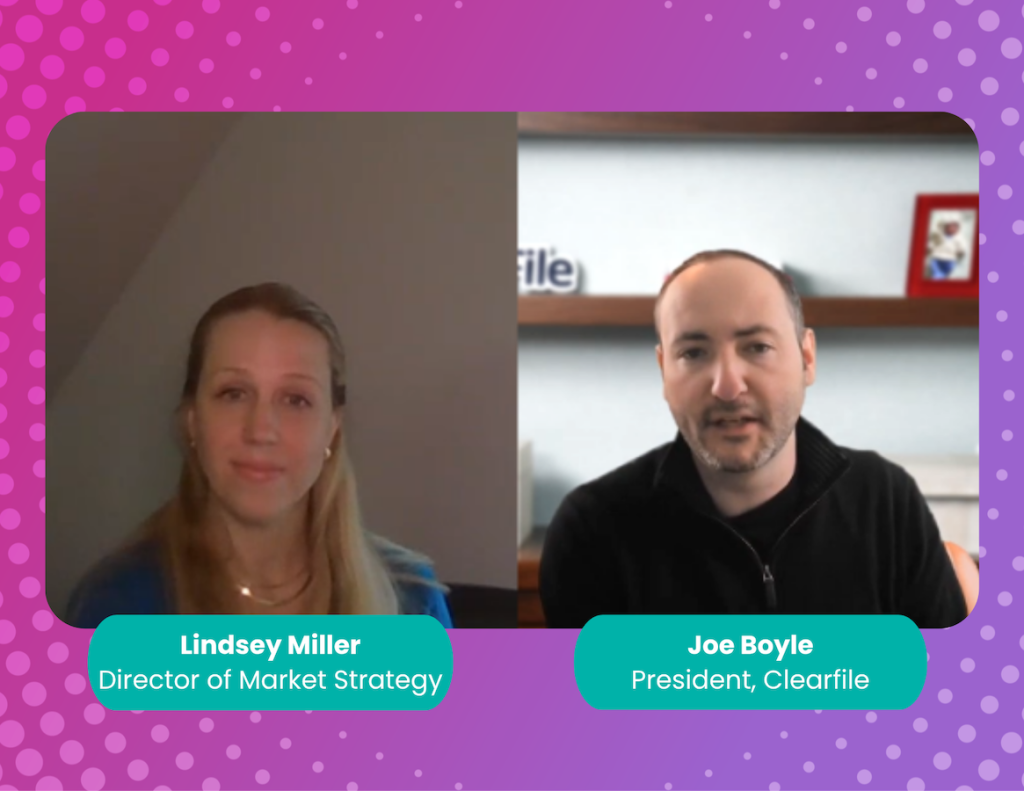
I recently joined Joe Boyle on Regulatory Joe to talk about what ICHRA is changing for health plans, employers, brokers, and employees.
Right now, ICHRA members can come through multiple enrollment pathways, different administrators structure contributions differently, and there still is not one standard data model.
It’s hard to quantify. It’s hard to understand who they are.
Why Brokers Are Becoming More Important in the ICHRA Model
At its core, ICHRA shifts employers from a defined benefit model to a defined contribution model.
Instead of employers selecting two or three plans for employees, employers contribute a defined amount and employees shop for coverage that works best for themselves and their families. This puts the employee in the driver’s seat when selecting their coverage.
That flexibility is one of the biggest reasons ICHRA conversations have developed so quickly over the last few years. But it also changes the role brokers and enrollment teams play in the process.
Employees now have more choice, but they also have more responsibility to navigate provider networks, compare plans, understand contribution models, and evaluate tradeoffs between premiums, deductibles, and coverage access.
One of the best analogies I’ve heard comes from Gabe Isaacson at Integrity:
“Group coverage is like your employer giving you a hamburger and saying, ‘This is what’s for lunch.’ ICHRA is like your employer giving you an envelope of money and showing you where the cafeteria is.”
That shift creates a much more consultative enrollment experience.
Brokers are no longer just helping employees enroll in a plan. They are helping people make individualized healthcare decisions in a market that has become significantly more complex.
Why ICHRA Enrollment Feels More Complex Than Traditional Group Coverage
One thing I keep coming back to is that ICHRA is not one workflow. Employees will interact with:
- Their employer (and the HR system)
- An ICHRA administrator
- A broker
- An enrollment platform
- The health plan
All before coverage is even active. That ecosystem creates a lot of operational coordination behind the scenes, especially as enrollment scales.
Employees may receive communications from multiple organizations at once. Contribution strategies may vary by employer. Payment structures may vary by administrator.
And when those workflows are disconnected, the employee feels that confusion.
That is one of the biggest reasons brokers and enrollment organizations are becoming more important in the ICHRA market. Someone still has to help employees navigate all of it.
Why Enrollment and Quoting Workflows Matter More in ICHRA
One of the operational realities of ICHRA is that employees are entering a much larger shopping environment than they are used to in traditional group coverage. That means enrollment organizations and brokers are managing more:
- Quoting scenarios
- Plan comparisons
- Employee education
- Ongoing support questions
- Coordination across systems and stakeholders
They need a digital shopping experience that is easy to navigate, that the employee can take the world of options that you have now on an individual market and distill that down into a few choices that really make sense for that individual and their family.
That combination of technology and guidance is becoming critical.
The Future of ICHRA Depends on Better Coordination Across the Ecosystem
As ICHRA adoption grows, brokers, enrollment organizations, administrators, and health plans will all need more connected workflows and better operational visibility.
Right now, there is still significant fragmentation across enrollment pathways, communication models, contribution structures, and payment workflows. There is no one data model that everybody’s using right now.
That creates challenges for everyone involved in the enrollment process, especially brokers and enrollment teams trying to create a smoother experience for employees. The organizations that succeed in ICHRA long term will be the ones that can simplify complexity for the people trying to enroll in coverage.
One of the clearest messages from the episode is that healthcare enrollment is becoming more individualized, more digital, and more dependent on strong partner support.
W3LL continues to help brokers and enrollment teams navigate that future with confidence — empowering partners with solutions designed for the next generation of healthcare enrollment. Reach out if you are looking for guidance on where to go next.
I’m also very active on LinkedIn, so feel free to send me a connection invite!


