
3 Key Takeaways for Brokers & Benefits Advisors:
- CHOICE Arrangements are creating new opportunities for ACA brokers to bring their individual-market expertise to employers.
- New CMS registration restrictions and consumer authorization requirements are changing how brokers prepare for the 2027 Open Enrollment period.
- Sustainable CHOICE growth will depend on reliable enrollment, carrier connectivity, premium payments, and continued consumer support.
CHOICE Arrangements have the potential to bring millions of new members into the ACA Individual market. Employers gain more control over benefits spending, employees can select coverage that fits their needs, and brokers have an opportunity to expand their relationships with both.
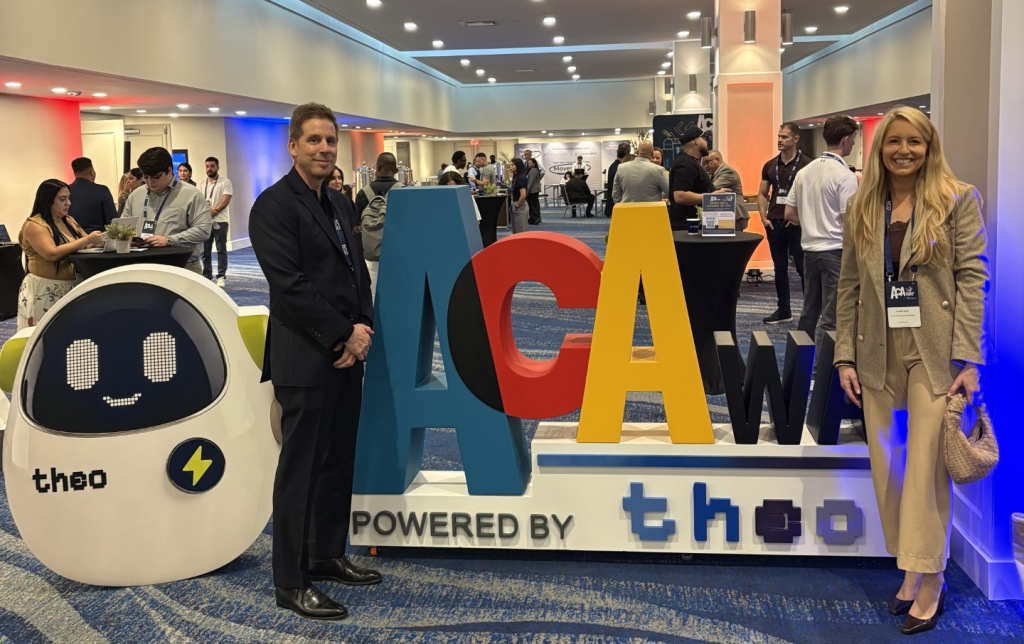
At ACA WAY, industry leaders discussed the operational realities of scaling CHOICE, formerly known as Individual Coverage Health Reimbursement Arrangements (ICHRA). The conversations covered everything from employer adoption and broker distribution to carrier integrations, premium payments, and consumer education.
One panel considered a scenario involving 10 million new CHOICE members entering the Individual market in a single year. The consensus was that the industry lacks the infrastructure to handle that kind of growth reliably.
CHOICE Creates New Opportunities for ACA Brokers
CHOICE gives employers a way to contribute toward employees’ Individual health coverage without selecting a single group plan for their entire workforce. Employees can evaluate available plans and choose coverage based on their needs, providers, and financial circumstances.
Small businesses can offer health benefits without taking on a traditional group plan. Mid-sized employers can establish more predictable contributions. Larger organizations can evaluate CHOICE alongside their existing benefits strategies, including opportunities to serve different employee populations.
ACA brokers are particularly well-positioned to help employers understand these options.
At ACA WAY, panelists encouraged Individual-market brokers to explore opportunities with smaller employers, particularly businesses with fewer than 50 employees. These organizations may have limited resources and fewer established relationships with traditional group brokers.
The opportunity favors brokers who can connect Individual-market expertise with the needs of employers.
New ACA Restrictions Raise the Stakes for Brokers
CHOICE growth also intersects with significant changes to federal Marketplace requirements.
In September 2026, the Centers for Medicare & Medicaid Services (CMS) announced a temporary moratorium on new federal Exchange registrations for Plan Year 2027. The restriction applies to agents and brokers without a Plan Year 2026 federal Exchange agreement, limiting the ability of some group brokers to enter the federal ACA Marketplace during the moratorium.
CMS is also strengthening consumer authorization and identity-proofing requirements through Enhanced Direct Enrollment (EDE) platforms. These measures address unauthorized enrollments and other program integrity concerns while introducing additional steps to the application process.
Agencies need to understand the requirements, prepare their staff, and make sure consumers know what to expect.
A few priorities deserve attention during Open Enrollment:
- Communicate authorization requirements early. Explain why consumers may receive verification requests and how to recognize legitimate communications.
- Prepare agency workflows. Train staff on the authorization process, identity-proofing requirements, and procedures for applications that need additional verification.
- Keep clients engaged. Make sure consumers understand when they need to respond to requests or provide additional information.
- Review registration eligibility. Brokers exploring the federal ACA Marketplace should understand the moratorium and evaluate whether they need experienced Individual-market partners.
CHOICE Needs Infrastructure That Can Support Growth
CHOICE introduces a level of operational complexity that the industry cannot afford to underestimate.
Consider an employer with 500 employees selecting coverage across several carriers. Each employee needs to complete an application, establish coverage, and make premium payments. The employer needs a dependable way to fund its contributions, while brokers and administrators need visibility into enrollment and payment status.
Multiply that across thousands of employers and the operational demands become overwhelming.
ACA WAY panelists emphasized several gaps that could limit CHOICE adoption. Three capabilities stand out as priorities for the industry:
- Platforms need to transmit enrollment information accurately and receive timely confirmation of coverage status. Standardized integrations can reduce manual intervention and make exceptions easier to identify.
- Employers need dependable processes for funding coverage, and employees need confidence that their premiums reach the appropriate carriers. Payment failures will create coverage disruptions.
- Brokers, administrators, and employers need access to accurate information about applications, payments, and active policies. When something goes wrong, they need to identify the problem and resolve it quickly.
One of the most concerning scenarios discussed at ACA WAY involved consumers who believe they have active coverage only to discover an administrative failure when they attempt to access care.
That experience undermines confidence in the entire model.
Employees should be able to trust their enrollment confirmation. Employers should have confidence that their contributions support active coverage. Brokers need the information to identify problems before those problems affect their clients.
More Choice Demands Better Consumer Guidance
CHOICE gives employees greater control over their health coverage, but selecting the right plan requires more than comparing monthly premiums.
Consumers need to evaluate provider networks, prescription coverage, deductibles, out-of-pocket costs, and other details that affect their access to care.
Panelists discussed how brokers, carriers, and technology providers can improve that experience. Artificial intelligence (AI) and other decision-support tools can help consumers organize information, compare options, and identify plans that align with their needs.
AI tools also create opportunities for brokers to deliver more personalized guidance without adding more administrative work.
Carriers have a role to play as well. More tailored plan designs, clearer provider information, and better consumer education can help employees understand the value of the coverage available to them.
Sustainable CHOICE Growth Depends on Retention
The first year of coverage is particularly important. Employees need to understand their employer contribution, their financial responsibilities, and how to access care. Employers need predictable administration and clear communication. Brokers need the ability to answer questions and resolve issues throughout the coverage period.
ACA WAY panelists emphasized the importance of education and support during this transition. Employees who understand their coverage and receive dependable service are better equipped to navigate renewals and maintain their benefits.
Retention also matters to the stability of the Individual market. A large influx of members with concentrated healthcare needs could introduce pricing challenges, particularly if the market lacks a balanced risk pool.
CHOICE can contribute to a more stable individual market by attracting employees and families who value personalized coverage. Brokers can contribute by maintaining relationships beyond enrollment, identifying renewal needs, and helping clients understand changes to their coverage options.
Building a CHOICE Market That Works
The healthcare industry also has clear responsibilities. We need reliable enrollment processes, stronger carrier integrations, coordinated premium payments, and better tools to help consumers make informed decisions.
At W3LL, we’re focused on the connectivity and operational capabilities that help brokers and benefits partners support Individual coverage at scale. The goal is to make the experience more dependable for everyone involved, from employers funding coverage to employees using their benefits.
CHOICE has the potential to expand the individual market significantly. Reach out to me on LinkedIn to continue the conversation.


